For mineral owners in Montana, the value of oil and gas rights is influenced by more than just geology and drilling activity. One of the most important—yet often overlooked—factors is infrastructure and pipeline access. Even with promising reserves underground, the ability to move hydrocarbons to market plays a critical role in determining whether an operator will invest in drilling and how much your minerals may be worth.
Why Infrastructure Matters
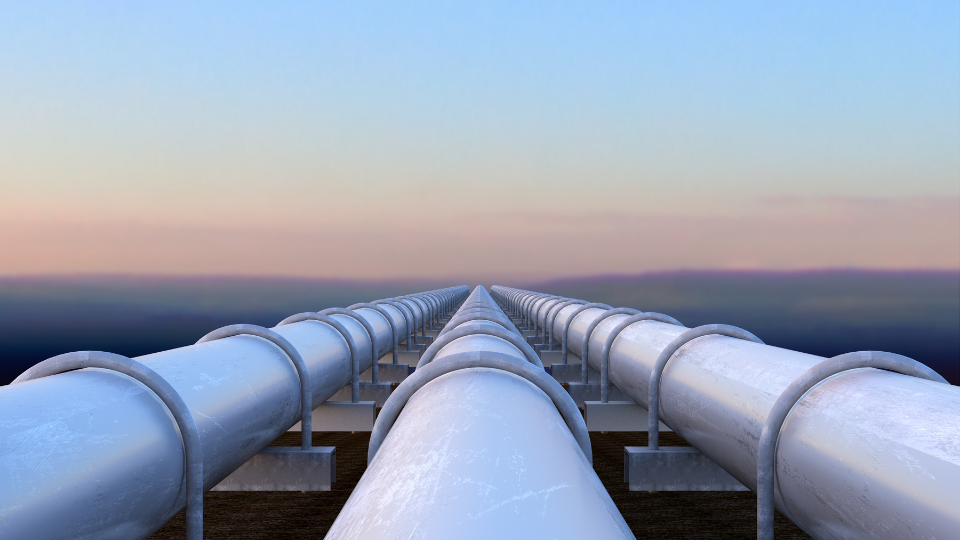
Oil and gas production is only profitable when operators can efficiently transport products to refineries and end markets. In regions like Eastern Montana and the Williston Basin, the availability of gathering systems, processing plants, and long-haul pipelines directly affects mineral economics.
Without nearby infrastructure, operators may face higher transportation costs, reduced drilling interest, or even delays in development. Conversely, minerals located near well-connected pipeline networks often attract stronger leasing offers and higher purchase prices.
Key Factors That Impact Mineral Owners
-
Proximity to Pipelines
Minerals located closer to gathering and takeaway pipelines generally carry more value, as operators save on transportation and infrastructure build-out costs. -
Market Access
Pipeline connectivity determines whether oil and gas can reach premium markets. For example, crude delivered to refineries in the Midwest or Gulf Coast often commands better pricing compared to landlocked barrels. -
Natural Gas Processing
In areas rich in natural gas and natural gas liquids (NGLs), the presence of processing facilities and fractionation capacity is critical. Without it, operators may struggle to monetize production effectively. -
Bottlenecks and Capacity
Even with pipeline access, limited capacity can restrict flow. Historic bottlenecks in the Williston Basin, for instance, have influenced drilling activity and mineral valuations. -
Future Infrastructure Projects
Planned pipeline expansions or new facilities can enhance mineral values over time. Monitoring operator announcements and midstream company investments is key.
Challenges for Montana Mineral Owners
-
Regulatory Delays: Pipeline approvals often face environmental and permitting challenges.
-
Price Differentials: Areas with poor infrastructure may experience steep pricing discounts on oil and gas.
-
Development Risk: Without sufficient takeaway capacity, operators may defer drilling, leaving minerals undeveloped longer.
What This Means for Mineral Valuation
For Montana mineral owners, infrastructure access can be as important as geology when it comes to valuation. Two tracts with similar geology may have very different values if one is near established pipeline systems and the other is isolated. Buyers factor these considerations heavily into their offers for both producing and non-producing minerals.
How Eagle River Energy Advisors Can Help
At Eagle River Energy Advisors, we understand how midstream infrastructure and pipeline dynamics influence mineral valuations in Montana and beyond. Whether you are considering selling, leasing, or holding, our team provides insights into market access, operator activity, and long-term development trends to help you make confident decisions.